
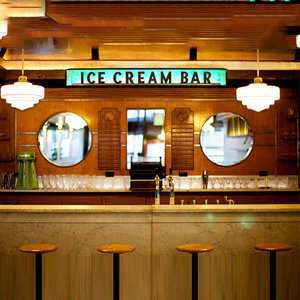
India’s dessert market is booming. From small towns in Chhattisgarh to busy metros like Mumbai and Delhi, ice cream parlours have become one of the most popular and profitable food business formats in the country. Low investment, high margins, and year-round demand (yes, Indians eat ice cream even in winter) make this one of the most attractive opportunities for first-time entrepreneurs and experienced food business owners alike.
But starting an ice cream parlour is not just about buying a freezer and a few tubs of ice cream. Done right, it involves careful planning, the right equipment, smart branding, and an understanding of your local market. This guide walks you through every step — from concept to opening day.
Why an Ice Cream Parlour is a Great Business Idea in India
The Indian ice cream market is growing at a rapid pace, driven by rising disposable incomes, a young population, and the growing culture of eating out. Tier 2 and Tier 3 cities have seen a particularly sharp rise in demand for organised dessert experiences — clean, well-designed parlours where families and young people can sit, enjoy, and share on social media.
Unlike a full-service restaurant, an ice cream parlour has several advantages:
- Lower setup cost compared to a full restaurant
- Simpler operations — fewer staff, simpler menu management
- High repeat customers — people visit multiple times a week
- Easily scalable — start with one outlet and expand to multiple locations or a cart model
- Strong social media appeal — visually attractive products drive free word-of-mouth
Whether you want to open a standalone dessert café, a franchise outlet, or a home delivery-focused cloud kitchen, the ice cream parlour format is flexible enough to adapt to your budget and goals.
Step 1: Choose Your Business Model
Before you spend a single rupee on equipment or interiors, decide which model suits you best.
Standalone Parlour
A fixed location — in a market, mall, or high-footfall street — with seating, a display counter, and a full menu. This is the most common and most profitable format if the location is right.
Kiosk or Cart Model
Lower investment, maximum mobility. A food cart or kiosk can be placed in malls, parks, near schools, or at events. This model is ideal if you are starting small or want to test demand before committing to a full setup. Explore Carts & Kiosk options that are compact, mobile, and professional in appearance.
Cloud Kitchen / Delivery Only
Skip the dine-in entirely and focus on delivery via Swiggy, Zomato, or your own app. This model has extremely low overhead and works well in dense urban areas.
Franchise
Partner with an established ice cream brand. Lower risk, but less creative freedom and ongoing royalty payments.
For most first-time entrepreneurs, the standalone parlour with a kiosk as a secondary channel is the most balanced approach.
Step 2: Choose Your Location Carefully
In the food business, location is everything. A great product in a bad location will struggle. An average product in a great location will survive.
When scouting for a location for your ice cream parlour, look for:
- High footfall — markets, near schools and colleges, malls, residential complexes
- Parking availability — families with children prefer places they can easily access
- Visibility — a corner shop or a ground-floor unit with a large display window is ideal
- Competition — a little competition is healthy (it validates demand), but avoid being sandwiched between two established dessert brands
- Rent vs. revenue potential — be realistic. High rent in a premium location only makes sense if your expected daily footfall justifies it
For smaller towns and cities like Raipur, Bilaspur, or Durg, a well-designed parlour in a busy market area can attract strong walk-in business without the premium rents that metros demand.
Step 3: Plan Your Menu
Your menu defines your identity. A focused, well-curated menu is almost always better than an overwhelming one.
Core Categories to Consider:
Scooped Ice Cream — The classic. Offer 10–20 flavours with clear labelling and attractive display.
Sundaes & Parfaits — High-margin items that combine ice cream with toppings, sauces, and garnishes.
Milkshakes & Thick Shakes — Very popular with college crowds and young customers.
Waffles & Crepes — Adding a hot element to your menu extends your appeal beyond just dessert lovers.
Fruit-Based Options — Sorbet, fruit bowls, and fresh juice combinations attract health-conscious customers.
Seasonal Specials — Mango season is your peak opportunity in India. Plan seasonal specials in advance.
Keep your menu manageable at launch — 15 to 20 items is ideal. You can always expand once you understand what your customers love.
Step 4: Get the Right Equipment — The Most Important Investment
This is where many first-time parlour owners go wrong — either overspending on unnecessary equipment or underspending and buying low-quality units that break down within months. Here is a category-by-category breakdown of what you actually need.
Display and Storage Freezers
Your ice cream display is the centrepiece of your parlour. It is the first thing customers see when they walk in, and it directly influences what they order. A good display freezer should:
- Maintain temperature consistently even when opened frequently
- Have excellent interior lighting to make flavours look attractive
- Be constructed with an all-stainless-steel body for hygiene and durability
- Have sufficient capacity for your range of flavours
A dedicated Ice Cream Parlour setup combines display freezers, serving counters, and storage in one cohesive design — saving you the trouble of sourcing and matching individual units. Browse setups from Parlour 1 through Parlour 5 to find the configuration that matches your floor space and menu size.
Display Counters
Beyond the freezer, your Display Counters serve multiple purposes — housing your toppings, sauces, cones, and cups within easy reach of your staff, while keeping everything hygienic and organised. A well-designed display counter also contributes significantly to the visual appeal of your parlour. Customers who can see an organised, clean, attractive setup trust your product more.
Serving Counters and Casual Counters
Your staff needs comfortable, ergonomic workspace to scoop, assemble, and serve efficiently during peak hours. Casual Counters and work tables with stainless steel surfaces are easy to clean and maintain, and they give your team the space they need to work without confusion.
Cold Storage for Back-of-House
Your display freezer holds what’s immediately in use. But you need back-of-house cold storage to maintain your full inventory — bulk ice cream tubs, pre-made dessert bases, fruit pulp, and dairy products. Reliable Cold Equipments with consistent temperature control and good insulation are essential to prevent spoilage and waste.
Washing Equipment
Scoops, cups, bowls, blender jars, and utensils all need to be cleaned constantly throughout the day. A proper commercial sink setup with adequate drainage makes this fast and hygienic. Explore Washing Equipments designed for commercial food environments.
Optional: Cooking Equipment for Hot Menu Items
If you plan to include waffles, crepes, or hot beverages, you may need a small Cooking Range or tabletop cooking unit in your setup. Even a compact unit can significantly expand your menu and revenue potential.
Step 5: Design Your Parlour Interiors
The interior design of your ice cream parlour is not just about aesthetics — it is about creating an experience that makes customers want to stay longer, order more, and come back again.
Key design principles for a successful ice cream parlour:
Bright and Airy — Use light colours, good lighting, and open layouts. Ice cream is a happy product; your space should feel happy too.
Instagram-worthy Corners — Include one or two visually striking design elements — a colourful wall mural, a neon sign, or a unique selfie spot. Social media posts from customers are free advertising.
Comfortable Seating — Family-friendly seating with a mix of tables for couples, groups, and families works best. Avoid seating that feels cramped or uncomfortable.
Clean and Hygienic — Customers judge a food business by its cleanliness. Easy-to-clean flooring, stainless steel surfaces, and visible hygiene practices build trust.
Visible Branding — Your logo, colours, and brand name should be prominently displayed — on the signage, on packaging, and on uniforms.
Step 6: Registrations and Licences
Before you open, make sure you have the necessary paperwork in place:
- FSSAI Licence — Mandatory for any food business in India. Apply online at fssai.gov.in
- GST Registration — Required if your annual turnover exceeds the threshold
- Shop & Establishment Licence — Issued by your local municipal corporation
- Trade Licence — From your local authority
- Fire NOC — Required for some premises depending on size and state regulations
Starting the registration process early is important — some licences can take several weeks to process.
Step 7: Hiring and Training Your Staff
For a small parlour, you typically need 2 to 3 staff members per shift — one at the counter serving customers, one preparing orders, and one managing the cash counter or billing. As you grow, you can expand your team.
Train your staff on:
- Proper scooping technique (to maintain portion consistency and reduce waste)
- Hygiene protocols — handwashing, glove use, and surface sanitisation
- Customer interaction — ice cream is a fun product; your staff should reflect that energy
- Upselling — teaching staff to suggest add-ons like extra toppings or combo deals can meaningfully increase your average order value
Step 8: Marketing Your Ice Cream Parlour
Opening day is just the beginning. Consistent marketing — especially on digital platforms — is what drives sustainable growth.
Google Business Profile — Set up and optimise your Google listing so that customers searching for “ice cream near me” can find you. Add photos, your menu, and your opening hours.
Instagram and Facebook — Post daily or at least 4–5 times a week. Feature your products with good photography, behind-the-scenes content, and customer photos. Instagram is particularly powerful for dessert businesses.
Opening Offers — A launch offer like “Buy 2 Get 1 Free” or a free topping for the first week drives trial and word-of-mouth.
Local Influencers — Invite local food bloggers or micro-influencers for a complimentary visit. Their posts can reach thousands of potential customers.
Festive Specials — Holi, Diwali, summer holidays, Valentine’s Day — plan seasonal specials and promote them in advance.
How Much Does It Cost to Start an Ice Cream Parlour?
Costs vary significantly depending on location, size, and format. A rough estimate for a small to mid-sized standalone parlour:
| Item | Estimated Cost |
|---|---|
| Equipment (freezers, counters, setup) | ₹3–8 lakhs |
| Interior Design & Furniture | ₹2–5 lakhs |
| Initial Inventory | ₹50,000–1 lakh |
| Licences & Registrations | ₹20,000–50,000 |
| Marketing & Signage | ₹50,000–1 lakh |
| Security Deposit (rent) | Varies by location |
| Total Estimated Investment | ₹7–16 lakhs |
A kiosk or cart-based model can be started for significantly less — often between ₹1.5 and ₹4 lakhs — making it an excellent entry point for entrepreneurs with a tighter budget.
Final Thoughts
An ice cream parlour is one of the most rewarding food businesses you can start in India today. The combination of strong demand, relatively simple operations, and high customer delight makes it an ideal format for first-time entrepreneurs and seasoned food business veterans alike.
The key to success lies in three things: the right location, an attractive and well-maintained setup, and consistent quality. Getting your equipment right from the start — reliable cold storage, attractive display units, and a hygienic serving setup — is the foundation everything else is built on.
To explore ready-to-use Ice Cream Parlour setups, Display Counters, Cold Equipments, and everything else you need to launch your parlour, visit Sumit Kitchen Equipments or send an enquiry with your requirements. Our team can help you plan the right equipment configuration for your space and budget.
Sumit Kitchen Equipments is an ISO 9001:2008 certified manufacturer based in Raipur, Chhattisgarh, supplying stainless steel commercial kitchen equipment to restaurants, hotels, parlours, and food businesses across India.



Leave a Reply